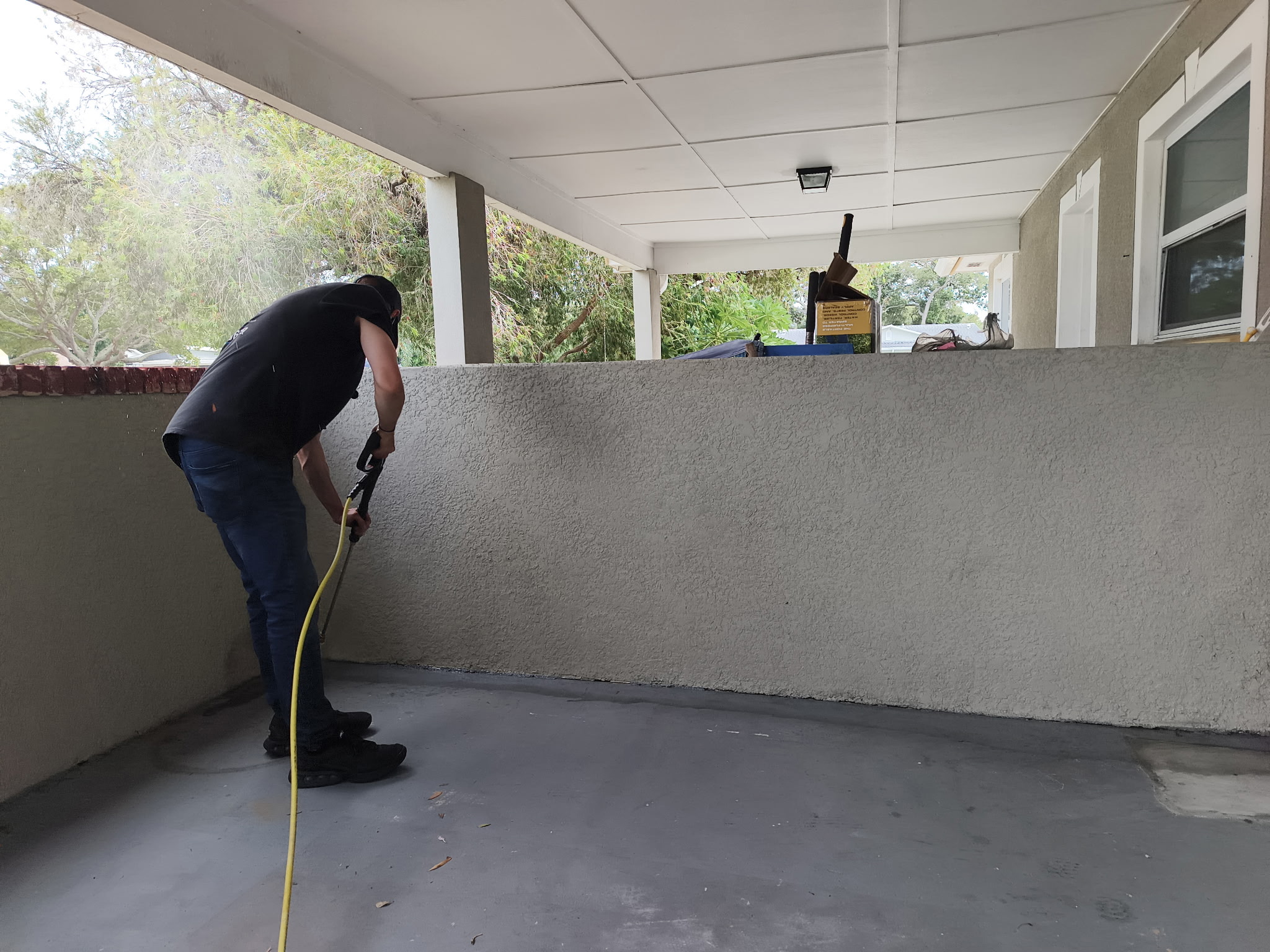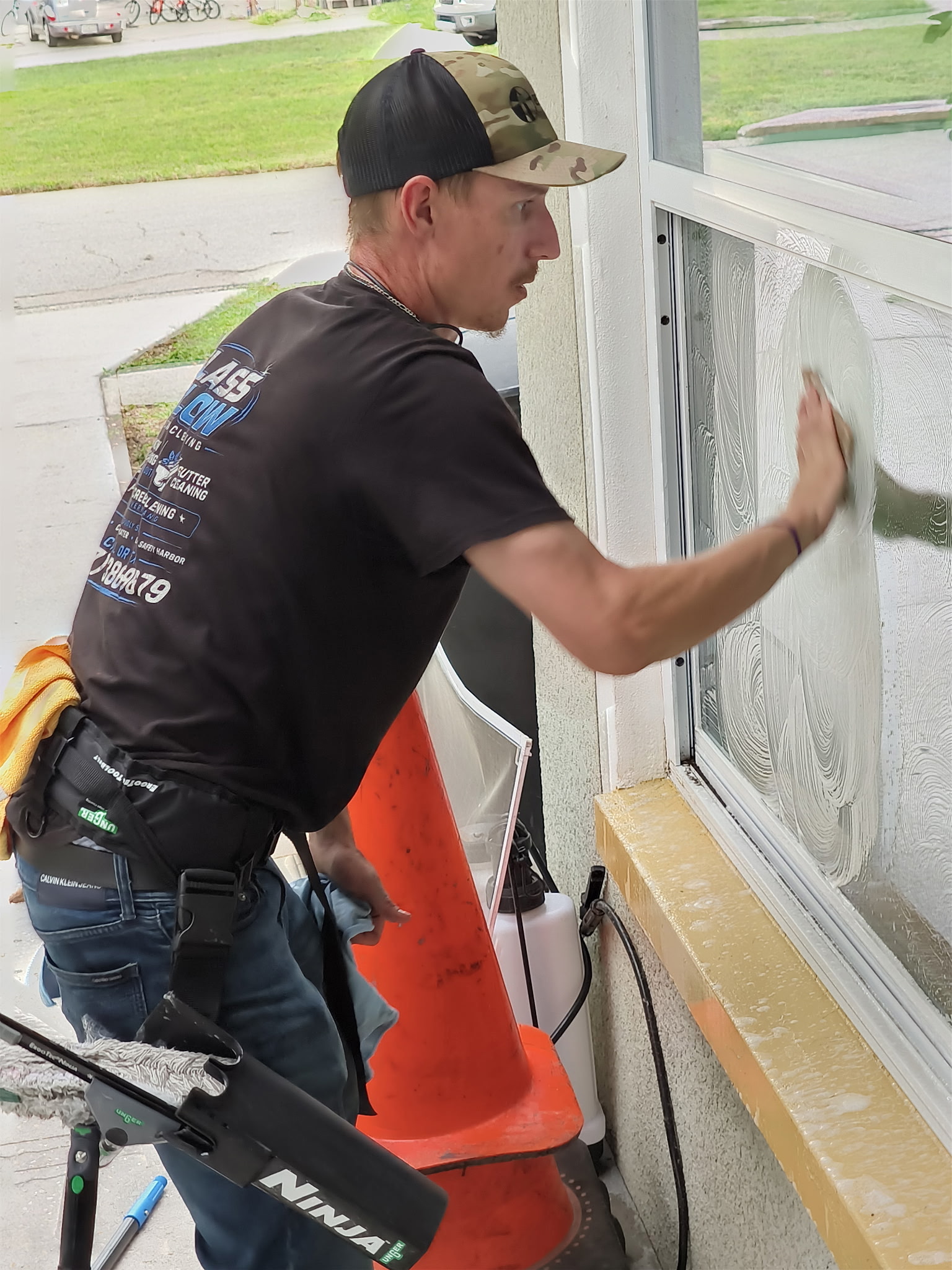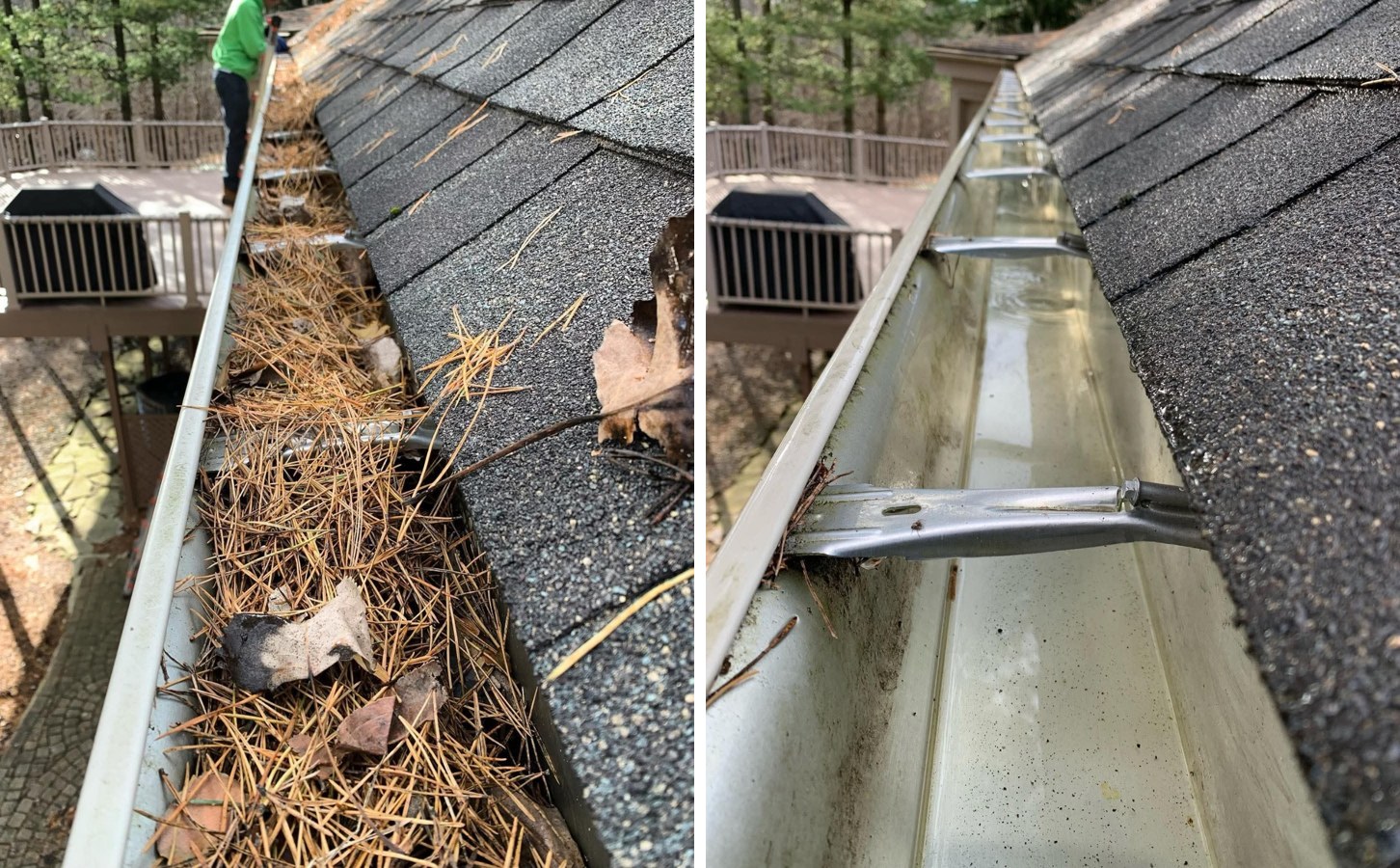
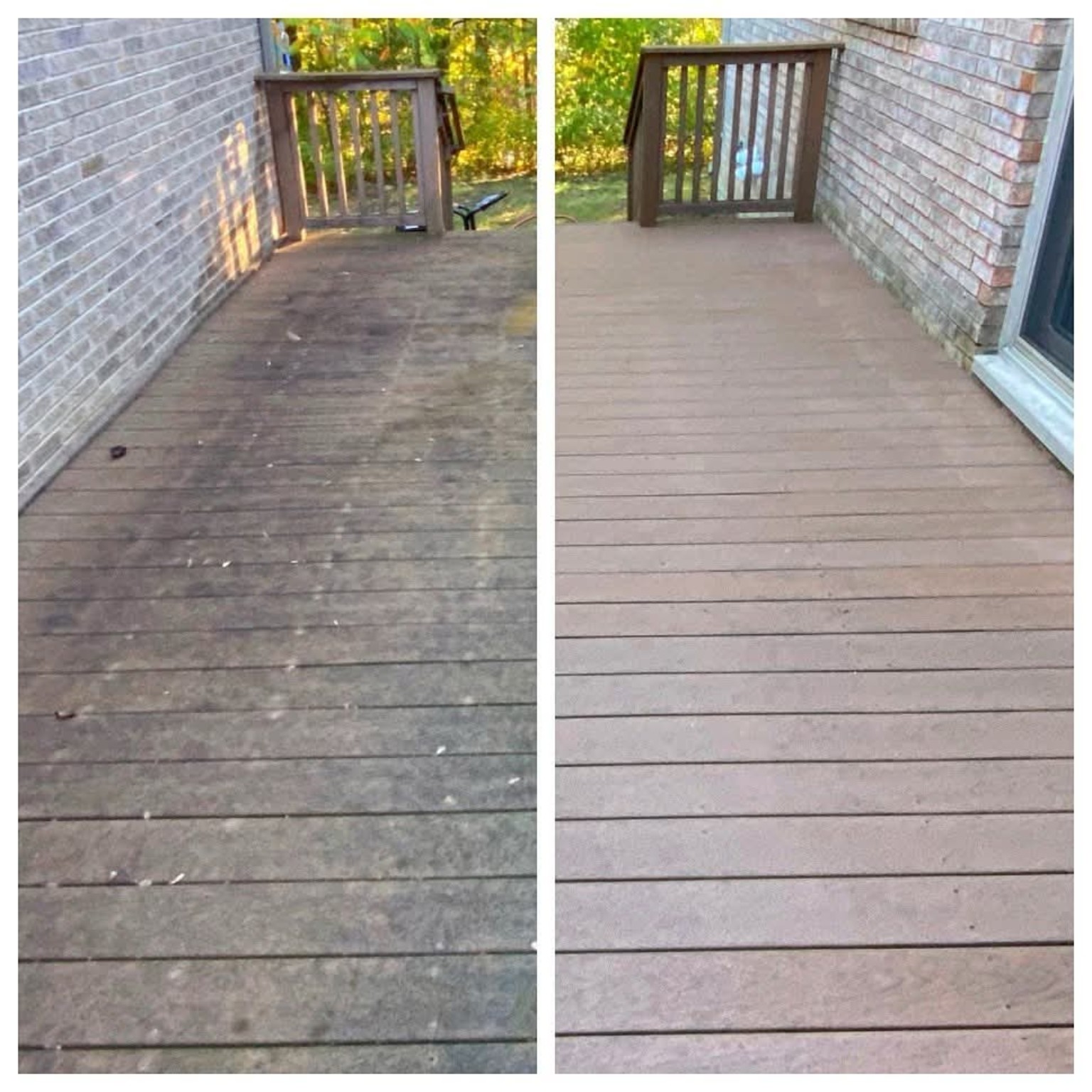
A green patch on a stucco wall and a dark film on a concrete patio may look like similar cleaning problems. But they should not automatically get the same treatment. The safest approach depends on the material, its condition, and what is growing or collecting on it.
For homeowners in Safety Harbor, that distinction matters. Humidity, frequent rain, salt air, and irrigation overspray give exterior surfaces plenty to contend with. Using more pressure is not always the answer. Sometimes it creates a repair problem where there was only a cleaning problem.
What Is the Difference Between Soft Washing and Pressure Washing?
Soft washing uses low-pressure application and surface-appropriate cleaning solutions to loosen buildup and treat organic growth, followed by a controlled rinse. The cleaning solution does much of the work rather than relying on force alone.
Pressure washing relies more heavily on pressurized water to remove buildup from durable surfaces. Pressure, nozzle selection, working distance, and equipment all affect how aggressively that water hits the material.
Neither method is automatically safe in every situation. Low pressure does not make an unsuitable cleaning solution harmless, and a sturdy-looking surface may have weak spots that cannot tolerate force.
A responsible cleaning plan considers:
- The surface material and any manufacturer guidance.
- Existing cracks, loose paint, deteriorated mortar, or damaged seals.
- Whether the buildup is dirt, algae, or a specialty stain.
- Nearby plants, electrical fixtures, and places where water could enter the home.
The goal is to use the least aggressive effective method, not the highest setting available.
Which Surfaces Usually Need a Gentler Approach?
Painted siding, stucco, trim, and many decorative exterior finishes generally call for a lower-pressure approach. High-pressure spray can strip paint, scar softer materials, or force water behind siding and through vulnerable joints.
Stucco deserves particular care. Small cracks around windows, corners, and wall penetrations may not stand out from the yard. Directing forceful water at those openings can push moisture where it does not belong. Cleaning should start with an inspection, and some defects need repair before washing.
Windows, door seals, soffit vents, and exterior outlets also need protection. Even when a nearby wall is suitable for cleaning, those details should not receive a concentrated blast.
Roof cleaning requires its own assessment. Asphalt shingles should not be treated like concrete, and tile roofs bring concerns about coatings, fragile pieces, and safe access. Manufacturer guidance matters more than a blanket claim that one method works everywhere.
In Safety Harbor neighborhoods with mature trees and shaded walls, algae can become noticeable even when the paint underneath is sound. That is a reason to choose a targeted cleaning approach, not to scrub away the finish with excessive pressure.
When Does Pressure Washing Make Sense?
Sound, uncoated concrete is often a good candidate for professional pressure washing. Some masonry and paver surfaces may also be suitable, but their condition and finish still matter.
Professional pressure washing removes built-up dirt, grime, algae and organic growth to dramatically improve the appearance of exterior surfaces. It does not erase every discoloration or reverse weathering, repairs, and differences in the underlying material.
Pavers need special attention because aggressive washing can disturb joint sand. Sealed surfaces require an assessment of the coating, while recently installed concrete may need additional curing time before cleaning. Crumbling mortar or flaking concrete should not be treated as routine wash areas.
Specialty stains are a separate consideration. Rust, oil, irrigation staining, paint, and oxidation are quoted separately. Raising the pressure to chase one stubborn mark can damage the surface without solving the stain.
How Florida Conditions Affect the Cleaning Plan
Across Pinellas County, warm temperatures and humidity support algae and other organic growth. During rainy season, shaded areas can stay damp longer, especially behind shrubs or along walls with limited airflow. Treatment needs to address that growth rather than simply remove the visible layer with force.
Gulf Coast salt air adds another consideration. Salt residue on exposed surfaces and metal fixtures may need a careful rinse, but more pressure is not inherently better. Existing corrosion and worn finishes deserve attention before work begins.
Irrigation water can leave mineral deposits or reddish staining that looks different from ordinary dirt. A professional should identify that distinction before choosing a treatment.
For a Safety Harbor home, practical safeguards include:
- Protecting nearby landscaping and controlling cleaning-solution exposure.
- Planning around wind, lightning, and heavy rain.
- Managing runoff and keeping people and pets away during cleaning.
- Checking vulnerable openings and discussing existing damage beforehand.
Soft washing still involves chemicals that require careful handling. Pressure washing still involves force that needs control. Good judgment makes either approach safer.
Get a Cleaning Recommendation for Your Home
At Glass Glow Window Pros, we are a family-owned, faith-driven company serving Safety Harbor and surrounding Pinellas County communities. We believe in explaining what your surfaces need and being honest about what cleaning can accomplish.
Get an instant quote, or call or text to discuss your exterior surfaces. Let us know about peeling paint, cracks, older coatings, or unusual stains so we can help determine the right approach.